

The Role of Design in Dog Collars: Safety, Style, and Fit
TL;DR:
- Proper collar design prioritizes safety, comfort, and aesthetics through careful material choice and fit standards. It includes adjustable, ergonomic features suitable for a dog’s life stage and enhances safety with reflective and modular options. Well-designed collars support both dog health and handler control, reducing risks and improving everyday usability.
Dog collar design is defined as the deliberate combination of materials, fit standards, hardware, and aesthetics to protect a dog’s health while meeting the owner’s practical and visual needs. The role of design in dog collars goes far beyond appearance. A well-designed collar prevents tracheal injury, accommodates a dog’s changing body, and makes daily handling easier for the owner. The industry standard known as the two-finger fit rule, the shift toward corrosion-resistant hardware, and the rise of modular collar systems all show that collar design is a serious discipline, not an afterthought. Americanbarkbliss builds its entire collar lineup around these principles.
How does design shape safety in dog collars?
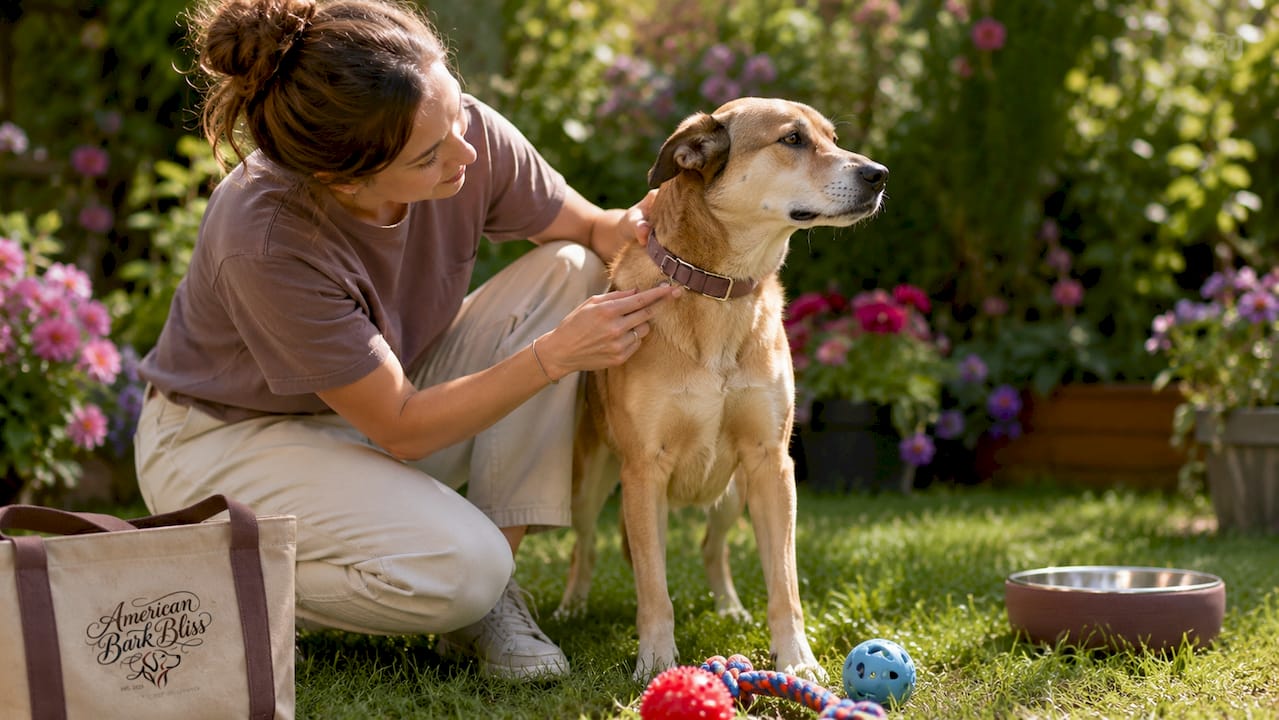
Safety is the first job of any collar, and material and fit choices determine whether a collar protects or harms. The two-finger fit rule is the universal standard: you should be able to slide exactly two fingers between the collar and your dog’s neck. A collar tighter than this creates tracheal pressure; a looser one becomes an escape or snagging hazard.
Hardware choice is equally critical. Corrosion-resistant metals like stainless steel and brass, paired with coated webbing, extend collar life and prevent skin reactions, especially for dogs that swim or work outdoors. A buckle that rusts or a D-ring that bends under load creates a real safety failure. Choosing the right hardware is not cosmetic. It is structural.
Design features in dog collars also address control. Martingale-style collars, for example, tighten slightly under leash pressure without choking, giving handlers better control over dogs that back out of standard flat collars. The collar type must match the dog’s behavior and the owner’s handling style.
Key safety design features to look for:
- Two-finger clearance between collar and neck at all times
- Non-toxic, non-reactive materials that won’t irritate skin or cause allergic responses
- Stainless steel or solid brass hardware rated for the dog’s weight and pull strength
- Coated or treated webbing that resists moisture, mold, and UV degradation
- Quick-release buckles for fast removal in emergencies
Pro Tip: Check your dog’s collar fit every two weeks during growth phases. A collar that fit perfectly last month may already be too tight.
For a deeper look at what separates safe collars from risky ones, the safe dog collar guide at Americanbarkbliss covers the key criteria in plain language.
Why does comfort and ergonomic design matter in dog collars?
Comfort is not a luxury feature. A collar a dog wears 16 or more hours a day must distribute pressure evenly, avoid friction points, and allow full range of motion. Poor ergonomic design leads to fur loss, skin sores, and behavioral resistance to wearing the collar at all.
The best ergonomic collars share four characteristics:
- Contoured or rolled edges that prevent the collar from digging into the neck during movement
- Soft, breathable inner lining made from neoprene, padded nylon, or vegetable-tanned leather that wicks moisture away from the skin
- Graduated width that spreads load across a wider surface area, reducing pressure per square inch
- Multiple adjustment points so the collar can be sized precisely as the dog grows or gains and loses weight
Puppies and senior dogs need the most attention here. Puppies have soft, developing tracheas that are vulnerable to rigid collars. Senior dogs often develop arthritis in the neck and shoulders, making heavy or stiff collars genuinely painful. Lightweight, flexible materials like soft nylon or supple leather serve both groups far better than thick, structured designs.
Pro Tip: For senior dogs, switch to a wider collar with a padded inner layer. The extra surface area reduces pressure on arthritic joints without sacrificing control.
Adjustability also matters across a dog’s life. A collar that fits a six-month-old puppy will not fit the same dog at 18 months. Designs with multiple buckle holes or sliding adjusters give owners room to grow without buying a new collar every few months.
How do style and aesthetics influence dog collar choices?
Style is a genuine design driver, not a vanity add-on. Quiet luxury and performance craftsmanship are replacing overt branding as the dominant values in premium pet gear. Owners now prioritize practical, well-made gear over flashy logos. That shift is changing what sells and what gets made.
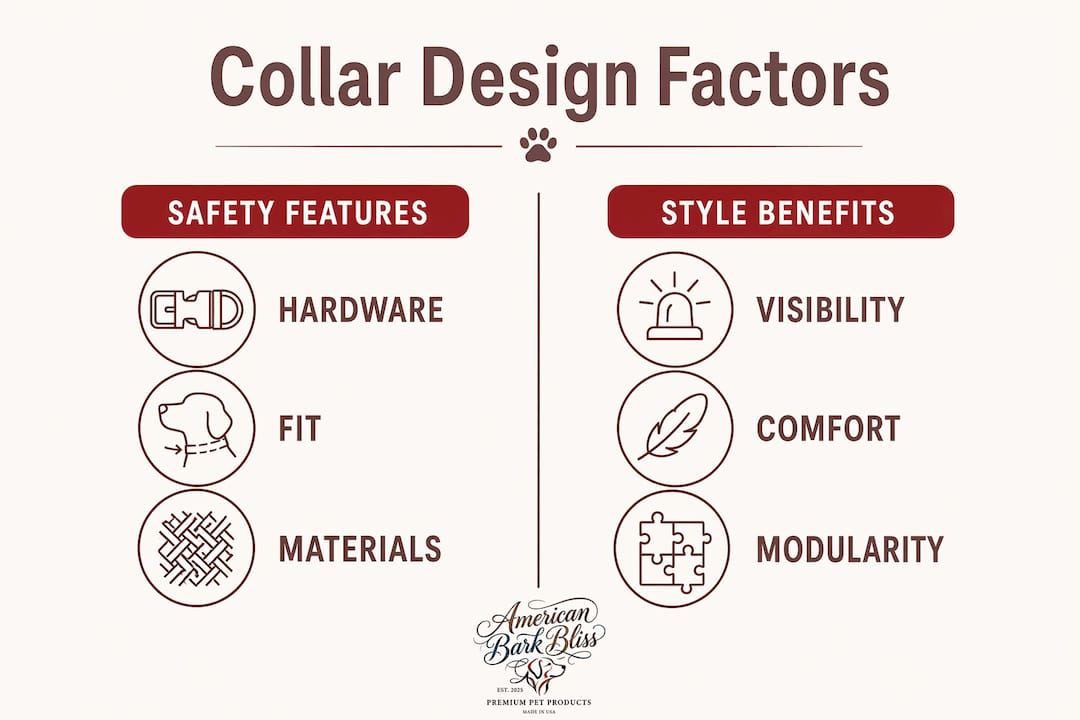
The benefits of stylish dog collars go beyond owner satisfaction. High-visibility colors and reflective stitching improve a dog’s safety during low-light walks. Bright patterns make dogs easier to spot in off-leash areas. Color choice is a functional decision as much as an aesthetic one.
Modular designs that allow interchangeable components let owners adapt aesthetics and function as their dog’s needs change. A base collar with swappable decorative bands, for example, gives owners variety without requiring multiple full collar purchases. This approach also reduces waste, since only the worn component needs replacing.
| Style feature | Functional benefit |
|---|---|
| Reflective stitching | Improves visibility in low light |
| High-contrast color | Easier to spot in parks and off-leash areas |
| Modular bands | Extends collar lifespan, reduces waste |
| Matching leash set | Consistent hardware reduces weak-point risk |
| Minimalist hardware | Fewer snag points, cleaner profile |
Successful collar designs in 2026 balance lifestyle-readiness with functional durability, including modular matching sets and material-specific construction. That combination drives both higher sales and higher owner satisfaction. Style and function are not competing priorities. They reinforce each other.
How should collar design adapt across a dog’s life stages?
Collar design must evolve with the dog’s life, from lightweight options for puppies to supportive designs for seniors. Most owners treat collars as static objects, buying once and adjusting only when the collar breaks. That approach creates real safety and comfort problems as the dog ages.
Life-stage design considerations:
- Puppies (0–6 months): Lightweight, soft nylon or fabric collars with breakaway buckles. Avoid heavy hardware that strains developing neck muscles.
- Adolescent dogs (6–18 months): Adjustable collars with durable hardware to handle increased activity and strength. Check fit weekly during rapid growth.
- Adult dogs (2–7 years): Match collar type to activity level. Active dogs need water-resistant, abrasion-resistant materials. Calmer dogs can wear softer, more decorative options.
- Senior dogs (8+ years): Wide, padded collars that reduce pressure on aging joints. Lightweight hardware minimizes added weight on the neck.
Breed anatomy also shapes the right design. Greyhounds and whippets have necks wider than their heads, making standard flat collars a poor fit. They need wider martingale-style collars that cannot slip off. Brachycephalic breeds like bulldogs and pugs are better served by harnesses than collars, since any neck pressure worsens their breathing. Good design accounts for anatomy, not just size.
Pro Tip: Review your dog’s collar type at every annual vet visit. A vet can flag fit issues or suggest a design change based on any new health developments.
The complete 2026 buyer’s guide at Americanbarkbliss maps collar types to life stages in detail, making it easier to match the right design to your dog’s current needs.
What makes a collar work for both the dog and the handler?
The dual-user design philosophy improves both canine ergonomics and owner handling experience. A collar that is comfortable for the dog but awkward to buckle, adjust, or grip during a walk fails half its job. Good design serves both users equally.
A collar that only considers the dog ignores the person holding the leash. The handler’s grip, the ease of the buckle, and the feel of the D-ring under tension all determine whether the collar actually gets used correctly every day.
Handler-focused design features include one-handed buckle release, smooth D-rings that don’t pinch fingers during leash attachment, and collar widths that feel secure in the hand during a controlled walk. Materials like vegetable-tanned leather and solid brass hardware provide a tactile quality that makes handling feel confident and controlled. Premium materials like vegetable-tanned Italian leather combined with solid brass or stainless steel hardware deliver durability and a quality feel that synthetic alternatives rarely match.
Durability under dynamic stress is the final test. Real-world pull and fit testing on live dogs exposes failure points that digital design models miss entirely. A collar that passes a static load test may still fail when a 70-pound dog lunges at a squirrel. Brands that skip live-animal testing are guessing at durability, not verifying it.
Pro Tip: When testing a new collar, attach the leash and apply firm, sudden pressure by hand before putting it on your dog. If the buckle flexes or the D-ring shifts, return it.
Key Takeaways
Effective dog collar design balances the two-finger fit standard, life-stage adaptability, and dual-user ergonomics to protect the dog and support the handler simultaneously.
| Point | Details |
|---|---|
| Two-finger fit rule | Always verify two fingers fit between collar and neck to prevent tracheal pressure. |
| Material and hardware quality | Use corrosion-resistant metals and treated webbing for durability and skin safety. |
| Life-stage adaptability | Switch collar types as your dog ages to match changing physical and behavioral needs. |
| Dual-user design | Choose collars that are easy for you to buckle and grip, not just comfortable for the dog. |
| Style serves function | Reflective stitching, high-contrast colors, and modular parts add real safety and longevity benefits. |
Why I think most owners underestimate collar design
Most dog owners pick a collar based on color and price. That’s understandable. The design complexity behind a good collar is not obvious from a product photo. But after years of watching dogs wear poorly fitted, wrong-material, or wrong-type collars, I’m convinced that collar design is one of the most consequential decisions a dog owner makes.
The shift I find most encouraging is the move toward function-first craftsmanship. Owners are asking better questions now. They want to know what the hardware is made of, whether the webbing holds up near water, and whether the collar will still fit in six months. That’s a real change from buying on looks alone.
My practical advice: treat your dog’s collar as gear, not decoration. Test the buckle under load before you trust it. Check the fit every few weeks. And when your dog hits a new life stage, reassess the collar type entirely. A collar that worked at age two may be wrong at age nine. The dogs that wear well-fitted, well-designed collars from puppyhood to senior years are noticeably more comfortable and easier to handle. That outcome is worth the extra thought.
— Christopher
Collars built with these principles at Americanbarkbliss
Americanbarkbliss carries collars designed around the exact standards covered here: correct fit, quality hardware, and materials that hold up through real daily use.
The Wolfdoge Signature Collar combines ergonomic comfort with durable construction for dogs that need reliable everyday gear. For active dogs near water, the Waterproof Collar uses coated materials and corrosion-resistant hardware built for outdoor conditions. Every collar in the Americanbarkbliss lineup is sourced from American makers who prioritize the dual-user design standard: comfort for the dog, confidence for the handler. Browse the full selection to find the right fit for your dog’s current life stage.
FAQ
What is the two-finger rule for dog collars?
The two-finger rule means you should be able to slide exactly two fingers between the collar and your dog’s neck. A tighter fit risks tracheal pressure; a looser fit creates an escape or snagging hazard.
How does collar design affect a dog’s comfort?
Ergonomic design features like padded inner linings, contoured edges, and adjustable fit points prevent pressure sores, fur loss, and movement restriction. Poor design causes physical discomfort and behavioral resistance to wearing the collar.
When should I change my dog’s collar type?
Change collar type at major life stages: puppyhood, adolescence, adulthood, and senior years. Each stage brings different physical needs, and collar design should evolve accordingly to maintain safety and comfort.
What materials make the safest dog collars?
Stainless steel or solid brass hardware paired with coated nylon webbing or vegetable-tanned leather provides the best combination of durability, corrosion resistance, and skin safety for most dogs.
Do stylish collars offer any real safety benefits?
Yes. Reflective stitching improves visibility in low light, high-contrast colors make dogs easier to spot off-leash, and modular designs extend collar lifespan by allowing worn parts to be replaced without discarding the entire collar.
Leave a comment