

Pet Care Step by Step: A Practical Owner's Guide
TL;DR:
- Consistent pet care involves providing structured nutrition, grooming, training, and health monitoring daily. Attention to individual animal signals and early recognition of changes are crucial for long-term well-being and happiness.
Pet care step by step is the practice of consistently providing your pet with structured nutrition, grooming, training, and health monitoring to protect their well-being every single day. Most pet owners focus on the obvious needs like food and water, but the owners whose pets thrive long-term treat care as a repeatable system, not a reaction to problems. This guide gives you that system. Whether you just brought home a puppy or you want to sharpen your existing routine, every section below delivers specific, proven steps you can start using today.
How to build a daily nutrition and hydration routine
Feeding your pet correctly is the foundation of every other aspect of their health. Get this wrong and grooming, training, and vet visits all become harder. Get it right and you create a pet with stable energy, a healthy coat, and a predictable mood.
Follow these steps to set up a nutrition routine that works:
- Choose a species-appropriate, balanced diet. Dogs need protein as the first ingredient, with controlled fat and carbohydrate levels. Read the label on every bag. Look for AAFCO (Association of American Feed Control Officials) certification, which confirms the food meets minimum nutritional standards.
- Set fixed feeding times. Feed adult dogs twice daily, puppies three to four times daily. Fixed schedules regulate digestion and make house training dramatically easier. Free-feeding, where food sits out all day, is the fastest route to obesity.
- Measure every portion. Use a measuring cup or a kitchen scale. Eyeballing portions leads to overfeeding within weeks. Your pet’s food packaging lists recommended amounts by weight, but treat those as starting points and adjust based on your vet’s guidance.
- Manage treats strictly. Treats should stay at 10% of your pet’s total daily caloric intake. That number sounds small because it is. A single large biscuit can represent 20% of a small dog’s daily calories.
- Provide constant access to fresh water. Change water at least once daily. Stainless steel or ceramic bowls resist bacterial buildup better than plastic. For dogs that tip their bowls, a weighted or non-slip dispenser solves the problem immediately.
- Transition foods gradually. When switching brands or formulas, mix 25% new food with 75% old food for the first two days, then 50/50, then 75% new. Rushing this causes digestive upset. The pet feeding accessories guide at Americanbarkbliss covers the right tools for measured, mess-free feeding.
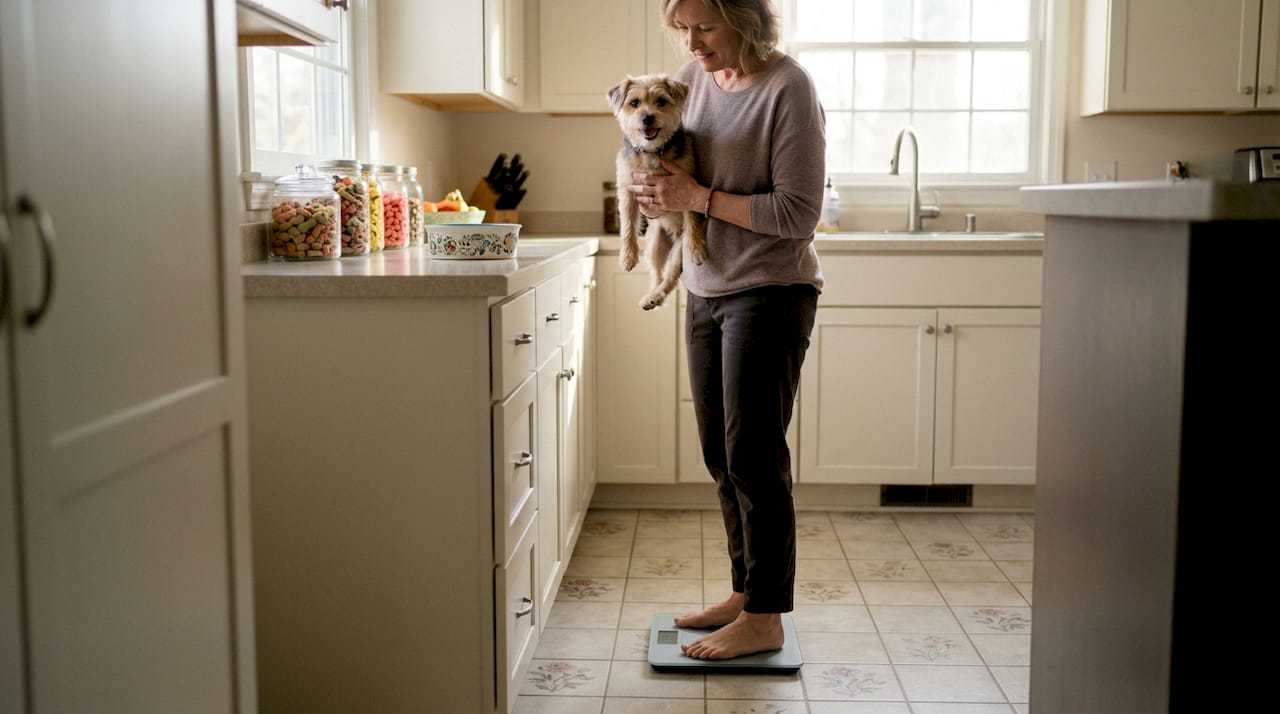
Pro Tip: Weigh your pet monthly at home using a bathroom scale. Weigh yourself first, then hold your pet and subtract. Catching a 5% weight gain early prevents a much harder correction later.
What does step-by-step pet grooming actually involve?
Regular grooming prevents common health issues and strengthens the bond between you and your pet. It is not just about appearance. Matted fur traps moisture and causes skin infections. Overgrown nails shift a dog’s posture and stress their joints. Dirty ears become infected. Grooming is preventive medicine you perform at home.
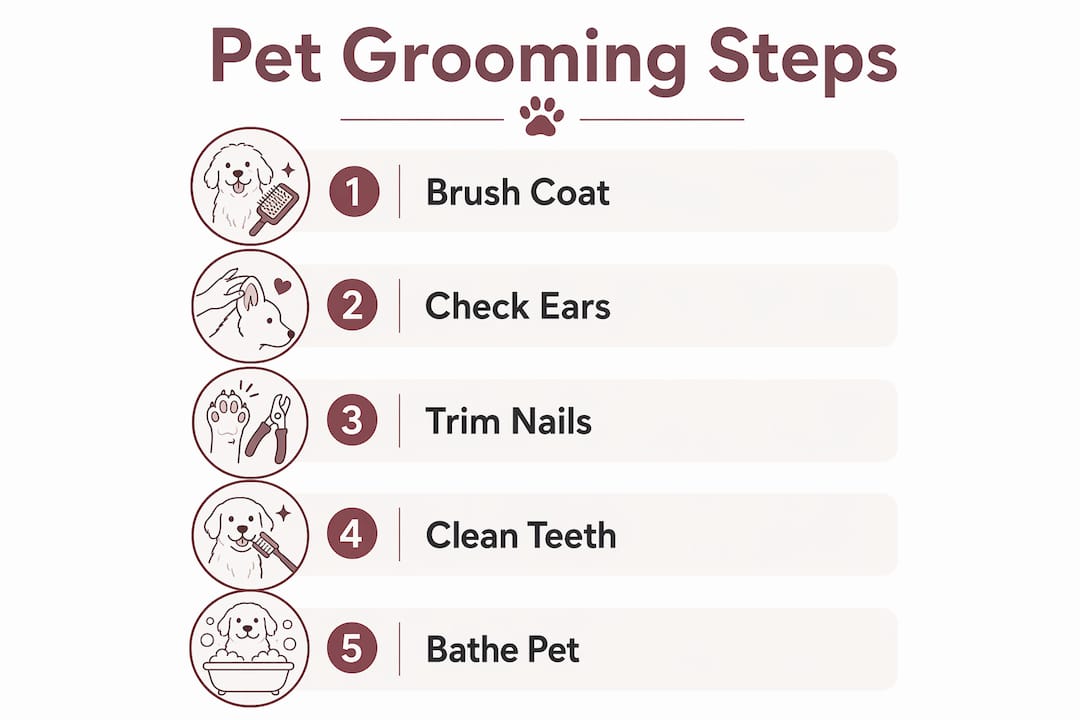
Here is a comparison of the core grooming tasks, their recommended frequency, and the tools you need:
| Grooming Task | Frequency | Recommended Tool |
|---|---|---|
| Coat brushing | Daily (long coats), 2–3x weekly (short coats) | Slicker brush or dematting tool |
| Nail trimming | Every 3–4 weeks | Guillotine or scissor-style clippers |
| Ear cleaning | Every 1–2 weeks | Cotton balls and vet-approved ear solution |
| Dental care | Daily brushing, dental chews as supplement | Pet toothbrush and enzymatic toothpaste |
| Bathing | Every 4–6 weeks or as needed | Gentle pet shampoo and conditioner |
Start every grooming session with brushing. It removes loose fur, distributes natural oils, and lets you feel for lumps, cuts, or skin irritation before you move on. The Country Living 3-Piece Dog Grooming Kit from Americanbarkbliss includes a slicker brush, comb, and dematting tool in one set, which covers most breeds and coat types.
For nail trimming, clip only the curved tip of the nail. Cutting into the quick causes pain and bleeding. If your dog has dark nails and you cannot see the quick, trim small amounts every week rather than one large cut monthly.
Pro Tip: Turn grooming into a positive experience from day one. Give a small treat at the start and end of every session. Within two weeks, most dogs will walk toward the grooming area on their own.
How do you train a pet using positive reinforcement?
Positive reinforcement training is more effective and more humane than punishment-based methods. The science behind this is straightforward. Behavior that produces a reward gets repeated. Behavior that produces nothing fades. You are not bribing your pet. You are communicating in a language they understand.
Here is how to build a training routine that produces real results:
- Start with three core commands. Teach “sit,” “come,” and “stay” before anything else. These three commands cover the majority of safety situations you will encounter.
- Keep sessions short and frequent. Short, frequent training sessions outperform long, infrequent ones. Five minutes, three times per day beats thirty minutes once a week. Pets lose focus fast, and ending on a success builds confidence.
- Use three types of rewards. Treats work fastest for new behaviors. Verbal praise (“yes!” in a bright tone) works well for reinforcing known behaviors. Play, like a quick tug game, works for high-energy dogs who are not food-motivated.
- Be consistent with your cues. Every person in the household must use the same word and hand signal for each command. Inconsistency is the single biggest reason training stalls.
- Socialize early and often. Expose puppies to different people, sounds, surfaces, and environments between 3 and 14 weeks of age. This window closes. Dogs that miss it often develop fear-based behaviors that take months to address.
The right training accessories make a measurable difference. A treat pouch worn on your hip keeps rewards accessible without breaking your focus. A six-foot leash gives enough slack for loose-leash walking practice without losing control.
Pro Tip: If your dog fails a command three times in a row, the session is too long or the environment is too distracting. Step back, ask for something easy, reward it, and end the session. Always finish with a win.
What routine health monitoring does every pet owner need?
Preventive veterinary care reduces long-term treatment costs and improves your pet’s lifespan. The goal is to catch problems when they are small, not when they are expensive.
Veterinary visit schedule:
- Schedule a wellness exam within the first week of bringing any new pet home. This establishes a health baseline and catches issues the previous owner or shelter may have missed.
- Healthy adult pets need annual wellness checks. Senior pets, generally those over seven years old for dogs, need biannual exams. Age-related conditions like kidney disease and thyroid disorders progress quickly and respond better to early treatment.
- Stay current on vaccinations, flea and tick prevention, and heartworm testing. These are not optional. They are the minimum standard of preventive care.
At-home health monitoring checklist:
Use this checklist weekly to track your pet’s baseline:
| What to Check | What to Look For |
|---|---|
| Eyes | Clear, no discharge, no cloudiness |
| Ears | No odor, no dark debris, no head shaking |
| Coat and skin | No bald patches, no excessive scratching |
| Weight | Stable, ribs slightly palpable but not visible |
| Appetite and water intake | Consistent with normal baseline |
| Energy level | Normal activity for their age and breed |
| Stool and urine | Normal color, consistency, and frequency |
Active observation of behavioral and physical changes leads to faster and less expensive treatment. A dog that suddenly drinks twice as much water may have diabetes or kidney disease. A cat that stops grooming may be in pain. You will only notice these shifts if you know what normal looks like for your specific pet.
Emergency veterinary care costs between $500 and $5,000. Set up an emergency fund or purchase pet insurance at adoption, not after the first crisis. Waiting until you need it means you are already too late.
How do you create a safe, stimulating home environment?
A safe home and a mentally stimulated pet are two sides of the same coin. Boredom causes destructive behavior. Hazards cause injuries. Both are preventable with a few deliberate choices.
- Pet-proof before your pet arrives. Secure electrical cords, remove toxic plants like pothos and sago palm, and store cleaning products in locked cabinets. For puppies, use baby gates to limit access to stairs and rooms you cannot supervise.
- Provide environmental enrichment daily. Puzzle feeders, like the Kong Classic or similar slow-feed toys, make mealtime mentally engaging. Rotating toys every few days keeps them novel. A dog that works for its food is a calmer dog.
- Build a daily play and bonding routine. Two 15-minute play sessions per day meet the minimum for most adult dogs. Walks add physical exercise and mental stimulation through scent exposure. Physical affection, petting and calm interaction, lowers cortisol in both the pet and the owner.
- Adapt the environment for life stage. Puppies need confined, supervised spaces. Adult dogs need outlets for energy. Senior dogs need orthopedic bedding, ramps instead of stairs, and shorter but more frequent walks.
Building a consistent daily routine in the first 30 days prevents behavioral issues and reduces stress in new pets. Predictability is not boring to a dog. It is safety. A pet that knows when it will eat, play, and rest is a pet that trusts you.
Key takeaways
Consistent daily routines covering nutrition, grooming, training, and health monitoring form the complete foundation of responsible pet care.
| Point | Details |
|---|---|
| Nutrition comes first | Measure portions, fix feeding times, and cap treats at 10% of daily calories. |
| Grooming prevents illness | Brush, trim nails, and clean ears on a regular schedule to stop problems before they start. |
| Train with rewards, not punishment | Short, frequent sessions with treats and praise build reliable behavior faster than any other method. |
| Monitor health at home weekly | Use a simple checklist to track eyes, coat, weight, and appetite so you catch changes early. |
| Prepare financially for emergencies | Set up a pet emergency fund or insurance at adoption to avoid delays in critical care. |
The part of pet care nobody talks about enough
I have seen a lot of pet owners do everything right on paper and still miss the most important thing: actually paying attention to their individual animal. Schedules, tools, and checklists matter. But the owners whose pets live longest and happiest are the ones who notice when something is slightly off before it becomes a problem.
I learned this the hard way watching a friend’s dog decline over three months. The signs were there early. Slightly less enthusiasm at mealtime. A little more time sleeping. A coat that lost its shine. None of those things triggered alarm because they happened gradually. By the time the vet visit happened, the kidney disease was advanced.
Your pet cannot tell you what hurts. That responsibility falls entirely on you. The weekly checklist in this guide is not busywork. It is the habit that turns you from a reactive owner into a proactive one. Combine that attentiveness with a new pet introduction plan from day one, and you give your pet the best possible start.
The emotional payoff of attentive pet care is real. A dog that trusts your routine, responds to your training, and feels physically well is a genuinely different animal than one that is just surviving. That difference is entirely within your control.
— Christopher
Build your pet care routine with Americanbarkbliss
Every step in this guide works better with the right tools behind it. Americanbarkbliss carries American-made pet accessories built for owners who take daily care seriously.

The Country Living Dog Grooming Kit covers brushing, dematting, and coat care in one set. For training rewards that fit within the 10% treat rule, the Americana Chicken Chips are made in the USA with a single protein source. When the weather turns cold or your dog needs post-grooming comfort, the Pet Silk Duck Pajamas keep small breeds warm without restricting movement. Every product at Americanbarkbliss is selected to support the kind of consistent, quality care your dog deserves.
FAQ
How often should i take my pet to the vet?
Healthy adult pets need a wellness exam at least once per year. Senior pets over seven years old need checkups twice per year for early detection of age-related conditions.
What percentage of my pet’s diet should be treats?
Treats should make up no more than 10% of your pet’s total daily caloric intake. Exceeding that amount regularly contributes to obesity and nutritional imbalances.
How long should a training session last for a dog?
Keep sessions to five minutes, repeated two to three times per day. Short, frequent sessions produce faster learning than long, infrequent ones and prevent frustration for both dog and owner.
When should i schedule my new pet’s first vet visit?
Schedule a wellness exam within 48 hours to one week of bringing your new pet home. This establishes a health baseline and identifies any conditions that need immediate attention.
What is the most important thing a pet owner can do daily?
Active observation of your pet’s behavior and physical condition is the single most impactful daily habit. Knowing your pet’s normal baseline lets you catch illness early, when treatment is faster and less costly.
Leave a comment