

Dog Toy Buying Checklist: Safety, Size, and Durability
What belongs on your dog toy buying checklist?
Before you spend a dollar on any toy, run through these six checkpoints. They cover the factors that veterinarians and organizations like AAHA and the AKC consistently flag as the difference between a safe toy and an emergency vet visit.
- Size: The toy must be bigger than your dog’s snout and slightly wider than the mouth. Anything that fits entirely inside the mouth is a choking and blockage risk.
- Hardness: Apply AAHA’s thumbnail test before buying. Press your thumbnail into the toy surface. No indentation means the toy is too hard and can crack teeth.
- Durability: Your dog should not be able to rip the toy apart in minutes. Broken pieces and exposed stuffing cause intestinal blockages.
- Chew style match: Passive, moderate, and aggressive chewers each need a different toy. Matching strength to chewing style prevents both boredom and injury.
- Material safety: Avoid toys containing PVC, phthalates, BPA, lead, or formaldehyde. Check the FDA’s recalled product list before purchasing.
- Supervision and retirement: Inspect toys daily. Retire any toy showing torn fabric, exposed stuffing, or a loose squeaker immediately.
That list is the core of any solid dog toy guide. The sections below explain the reasoning behind each point and show you how to apply them in practice.
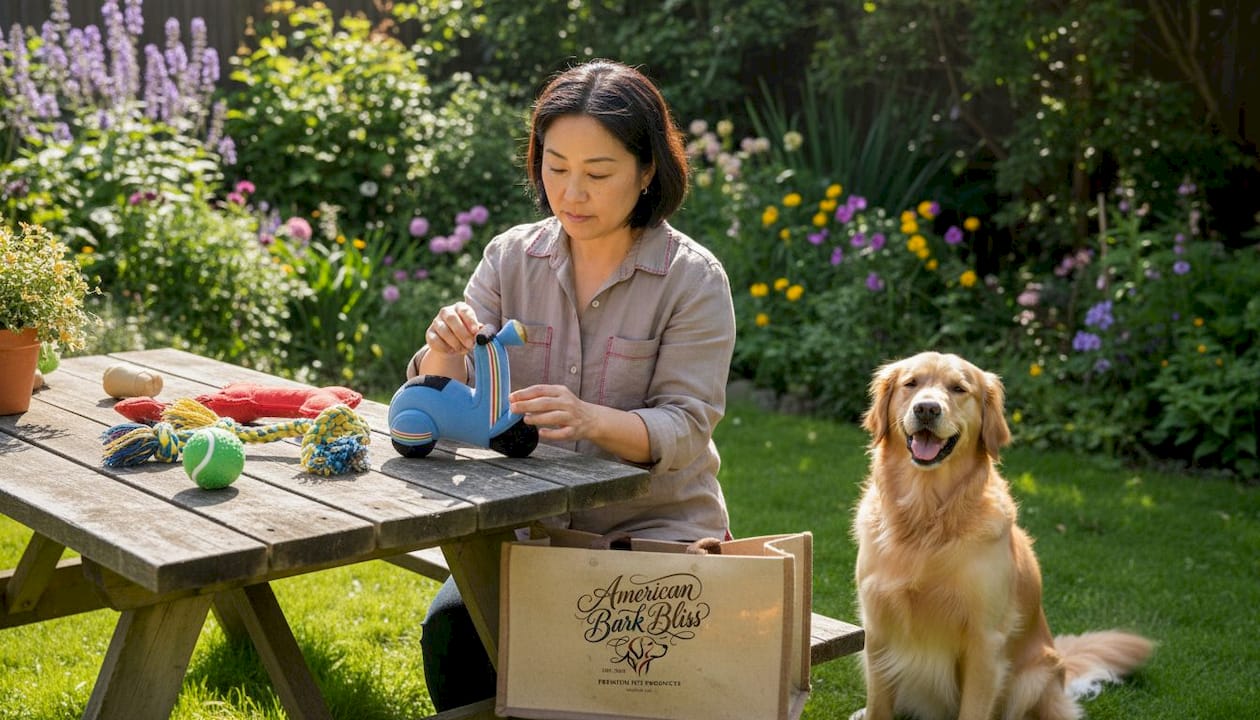
How do you choose the right toy size for your dog?
Size is the single most consequential factor on any toy buying checklist, and it trips up even experienced dog owners. The rule from AAHA is straightforward: chew toys should be bigger than the dog’s snout and slightly wider than the mouth. Dr. Erin Ray of the Texas A&M College of Veterinary Medicine & Biomedical Sciences puts it plainly: a good fit is one that is not small enough to swallow whole but not so large that the dog cannot comfortably chew it.
Bigger is not automatically safer. A toy that is too large can strain the jaw or discourage chewing entirely, which defeats the purpose.
- Measure your dog’s snout width and the gap of the open mouth before shopping.
- For aggressive or power chewers, size up one level beyond the recommended range for their weight.
- In multi-dog households, size every toy for the largest dog as advised in The Owner’s Guide to Dog Energy Levels to accommodate diverse sizes and energy Store toys between sessions so smaller dogs cannot access toys sized for a bigger animal.
- Ignore marketing labels like “medium breed” as your only guide. Physical measurements beat packaging claims every time.
- Manufacturer size charts are a starting point, not a final answer. A dog’s head size and jaw strength matter more than body weight alone.
Pro Tip: Bring a soft measuring tape to the pet store. Measure your dog’s snout width at home and compare it against the toy’s narrowest dimension. If the toy’s narrowest point is smaller than the snout, put it back.
How can you test a toy’s durability and hardness before buying?
AAHA identifies two failure modes that send dogs to the emergency room: toys that are too hard and crack teeth, and toys that are too soft and break into swallowable pieces. Both are preventable with a quick in-store inspection.
The three AAHA hardness tests take under a minute:
- Thumbnail test: Press your thumbnail firmly into the toy surface. If you cannot leave a visible indentation, the toy is too hard for safe chewing.
- Bending test: A safe chew toy should flex slightly when bent. Rigid toys that do not give at all pose a tooth-fracture risk.
- Hammer test: If the toy is hard enough that you could not drive a nail through it, your dog should not be chewing it.
On the opposite end, toys that tear apart too easily are just as dangerous. Loose stuffing, rope fibers, and squeaker components can all cause intestinal blockages that require surgery. When inspecting a toy online, look for reinforced stitching, thick rubber walls, and a stated chew-strength rating. Thin plush toys with single-layer seams and plastic pellet stuffing are worth skipping entirely, regardless of price.
Signs of poor durability to avoid: single-layer fabric, hollow thin plastic, exposed squeakers accessible without significant chewing, and rope toys with loose, unfinished ends.
Which toy types actually match your dog’s needs?
The AKC recommends a benefit-driven approach to toy selection rather than buying whatever catches your eye at the store. Dog owners spend money annually on new dog toys, and a large portion of those purchases go unused because the toy did not match the dog’s actual preferences or needs.
The major categories worth knowing:
- Training toys: Tug toys and fetch toys reinforce commands and build focus. They work best during active, supervised sessions.
- Treat-dispensing toys: KONG-style toys reward licking and problem-solving rather than destruction. Stuffing them with food and freezing them extends the challenge significantly.
- Interactive and mental stimulation toys: Puzzle feeders and snuffle mats burn mental energy. Dogs that destroy toys out of boredom often calm down considerably with regular puzzle sessions.
- Comfort and self-amusement toys: Soft plush toys suit gentle chewers and dogs that bond with a single object. A plush toy works well for dogs that carry rather than chew.
Age and chewing strength shape the decision further. AAHA’s KONG color coding is a practical shortcut: pink and blue rubber for puppies under nine months, purple for seniors with sensitive mouths, red for average adult chewers, and black for power chewers who destroy most other toys quickly. A puppy teething toy in the right rubber grade protects developing teeth while satisfying the urge to chew.
Budget matters too. A cheap vinyl toy that falls apart in a day costs more in vet bills than a durable rubber toy that lasts months. Prioritize construction quality over novelty, especially for power chewers.
How should you supervise and maintain dog toys safely?
Supervision is not optional, especially with a new toy. The first few play sessions tell you everything about how your dog interacts with a toy, and that information determines whether the toy stays in rotation or gets retired immediately.
Milford Animal Hospital advises replacing worn toys before they begin shedding pieces. A swallowed toy fragment can move from the stomach to the intestine within hours, turning a manageable situation into one that requires surgery.
Daily inspection checklist:
- Check for torn fabric or fraying seams on plush and rope toys.
- Confirm squeakers are still fully enclosed and not accessible by paw or teeth.
- Look for cracks, sharp edges, or missing chunks on rubber and hard toys.
- Rotate toys regularly. Dogs lose interest in familiar toys quickly, and rotation keeps a smaller set of toys engaging longer while reducing total wear.
In multi-dog homes, store toys between sessions rather than leaving them scattered. A toy sized for a large dog becomes a swallowing hazard for a small dog left alone with it. Dr. Ray at Texas A&M recommends giving dogs one or two toys at a time rather than a full basket, which makes it far easier to notice when a toy is missing pieces or falling apart.
What toxic materials should you watch for in dog toys?
Pet toys in the United States face less regulatory oversight than children’s toys, which means the responsibility for checking chemical safety falls on the buyer. Preventive Vet recommends checking the FDA’s recalled and withdrawn product list before purchasing and asking manufacturers directly about the presence of specific chemicals.
The substances worth asking about:
- PVC and phthalates: PVC is often softened with phthalates, which can leach through a dog’s gums during chewing and cause liver and kidney damage over time.
- BPA: An endocrine-disrupting chemical linked to changes in gut microbiome and metabolism in dogs.
- Lead and chromium: Heavy metals found in paint and dyes. Lead is toxic to the nervous and gastrointestinal systems even at low exposure levels.
- Formaldehyde: Commonly used to preserve rawhide chews. Long-term exposure can cause respiratory and digestive irritation.
- Arsenic and bromine: Present in some imported toys and capable of causing serious systemic harm at sufficient doses.
Dr. Ray specifically advises avoiding any toy with additives or coatings, since these are often the source of toxic exposure rather than the base material itself. Natural, non-toxic materials with transparent sourcing are the safer default. Americanbarkbliss focuses on non-toxic toy options with clear material information, which takes much of the guesswork out of the chemical safety check.
Find safe, durable toys at Americanbarkbliss
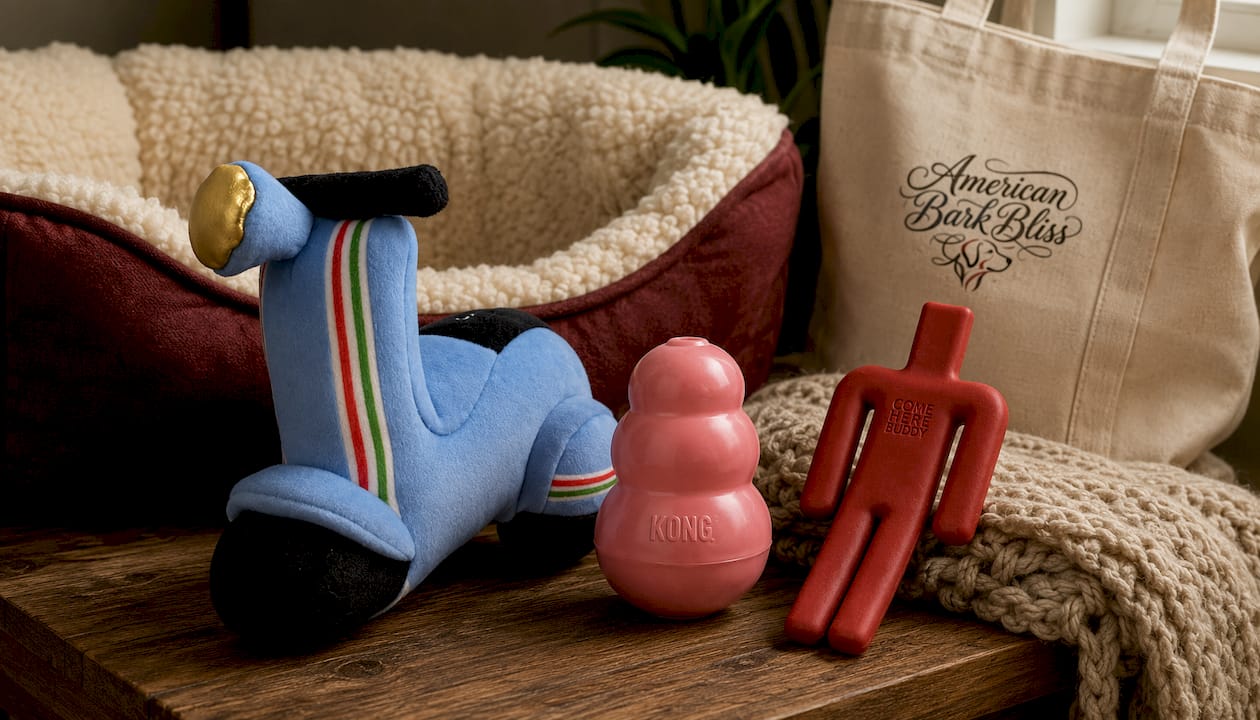
Americanbarkbliss carries American-made toys built to the safety and durability standards this checklist covers. Whether you need a durable chew toy for a power chewer or a soft comfort toy for a gentle senior, the product range is organized by chewing strength and life stage so you can match the right toy without guesswork. Every product listing includes material information so you can verify what goes in your dog’s mouth before it gets there.
Key Takeaways
Choosing safe dog toys comes down to matching size, hardness, and material to your dog’s specific chewing style and life stage.
| Point | Details |
|---|---|
| Size the toy correctly | Toys must be bigger than the snout and slightly wider than the mouth to prevent choking. |
| Apply the thumbnail test | Press your thumbnail into any chew toy before buying; no indentation means it is too hard. |
| Match toy type to chewing style | Passive, moderate, and power chewers each need different rubber grades and construction. |
| Retire damaged toys immediately | Torn fabric, exposed stuffing, or loose squeakers are choking and blockage hazards. |
| Check for toxic chemicals | Ask manufacturers about PVC, phthalates, BPA, lead, and formaldehyde before purchasing. |
FAQ
What is the AAHA sizing rule for dog chew toys?
AAHA states that chew toys should be bigger than the dog’s snout and slightly wider than the mouth. For power chewers, size up one level beyond the standard recommendation for their weight range.
How do you know if a dog toy is too hard?
Use the thumbnail test: press your thumbnail into the toy surface. If you cannot leave an indentation, the toy is hard enough to fracture a tooth and should not be given to your dog.
When should you throw away a dog toy?
Retire any toy that shows torn fabric, exposed stuffing, a loose or accessible squeaker, cracks, or missing pieces. Milford Animal Hospital advises replacing worn toys before they begin shedding pieces, not after.
Are cheap dog toys dangerous?
Low-cost toys often use thin materials that tear quickly and may contain toxic additives like lead, phthalates, or formaldehyde. Checking the FDA’s recalled product list and asking manufacturers about chemical content reduces that risk significantly.
What dog toys are best for puppies?
Soft rubber teething toys designed for developing mouths are the safest choice. AAHA’s KONG color guide uses pink and blue rubber for puppies under nine months, as the gentler formulation protects teeth that are still coming in.
Leave a comment