

Dog Bed Buying Tips: Size, Materials, and Safety
The right dog bed is defined by three factors: correct sizing, washable materials, and support matched to your dog’s health needs. Most owners skip the measuring step entirely, which is why so many expensive beds end up ignored in the corner. These dog bed buying tips cut through the noise and give you a clear framework for choosing a bed your dog will actually sleep on, night after night.
1. Measure your dog before you buy anything
Sizing is the single most common mistake dog owners make, and it costs them money twice: once on the wrong bed, and again on the replacement. The correct method is to measure nose to tail base and add at least 8 to 12 inches for stretching room. That extra length is not optional padding. It is the difference between a bed your dog uses and one they avoid.
Manufacturer sizing labels are inconsistent across brands. A “large” from one company may be 36 inches, while another labels 30 inches the same way. Always work from your dog’s actual measurements, not the label.
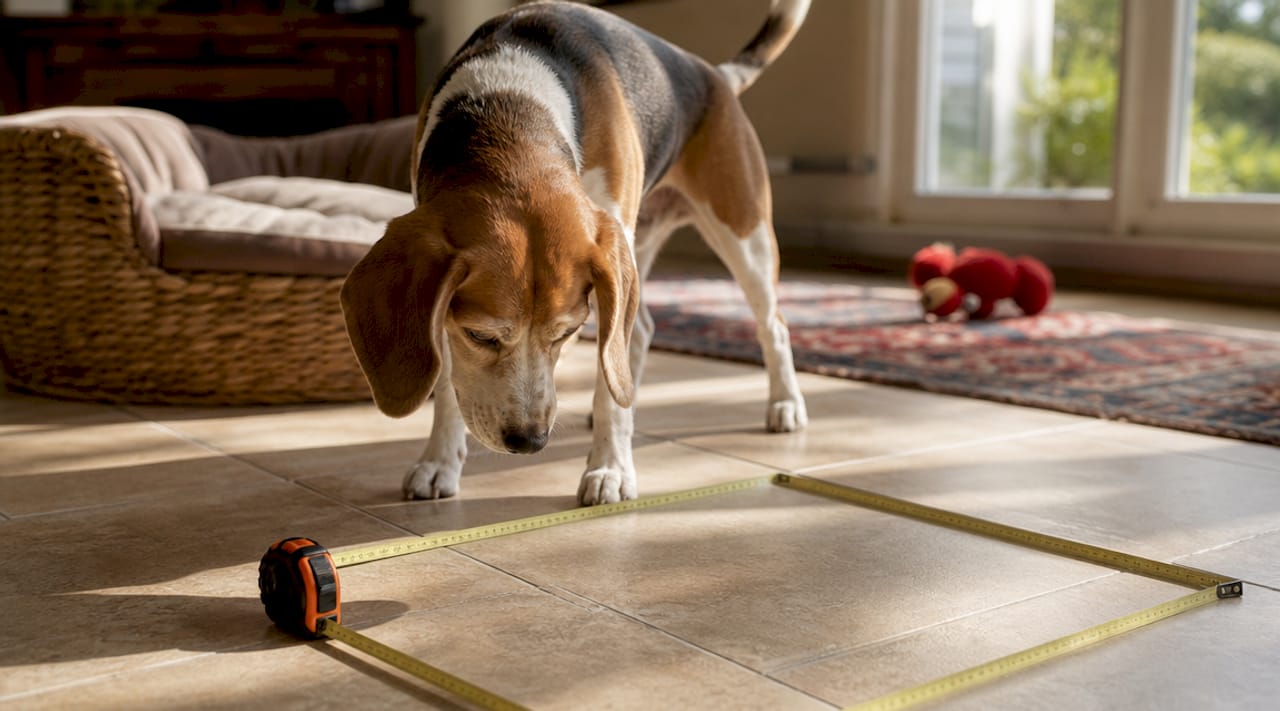
Your dog’s sleeping position matters as much as body length. A dog that sleeps fully stretched out needs a rectangular bed with generous width. A dog that curls tight can use a round or bolster style. Bed size should accommodate your dog’s largest sleeping position, not just their curled-up shape, or they will hang paws and hips off the edge and reject the bed entirely.
For fill thickness, heavier dogs above 50 pounds need at least 4 inches of supportive foam. Smaller dogs under 25 pounds can sleep comfortably on 2 to 3 inches. Thin fill compresses quickly under weight and stops providing support within weeks.
Pro Tip: Lay a piece of tape on the floor in the shape of the bed dimensions before you buy. Watch where your dog naturally lies down and compare. It takes 30 seconds and saves you from a bad purchase.
2. Prioritize machine-washable covers above all else
The CDC advises weekly cleaning of pet beds using appropriate washing machine cycles and dryer heat to reduce parasites and germs. A bed without a removable, machine-washable cover makes that standard nearly impossible to meet. This is not a luxury feature. It is a hygiene requirement.
Waterproof or water-resistant inner liners add a second layer of protection, especially for puppies, senior dogs, or any dog prone to accidents. The liner keeps moisture from reaching the foam core, which is the hardest part of the bed to dry and the most likely to develop mold.
Pro Tip: Before buying, unzip the cover and check the inner liner. If the foam smells like chemicals or feels brittle, the quality is poor regardless of the price tag.
3. Compare fill materials before committing
The fill material determines how long a bed stays supportive and how it handles washing. Here is how the main options compare:
| Fill type | Support level | Washability | Best for |
|---|---|---|---|
| Memory foam | High | Cover only | Senior dogs, joint issues |
| Egg-crate foam | Medium | Cover only | Budget-conscious buyers |
| Polyfill | Low to medium | Full machine wash | Puppies, light dogs |
| Wool or natural fiber | Medium | Spot clean or dry clean | Dogs with synthetic allergies |
The AKC recommends memory foam or egg-crate foam with washable covers for dogs with joint issues or incontinence. Memory foam contours to the body and distributes weight evenly. Egg-crate foam costs less but compresses faster under heavier dogs.
Polyfill beds are fully machine washable, which makes them the easiest to maintain. The trade-off is that polyfill clumps over time and loses its loft, reducing support. For a young, healthy dog under 30 pounds, polyfill is a practical and budget-friendly dog bed option. For a 70-pound dog with hip problems, it is the wrong choice.
4. Know when orthopedic beds are worth the investment
Orthopedic dog beds are defined as beds built with high-density foam designed to support joints and distribute body weight without pressure points. They are not just for old dogs. The AKC describes orthopedic beds as beneficial for joint health in both senior dogs and younger dogs with developing skeletal issues, including large breeds prone to hip dysplasia.
The practical test for orthopedic quality is simple. Press your palm firmly into the foam. Your hand should sink slowly and return to shape over 2 to 3 seconds. Foam that springs back instantly is standard foam marketed as orthopedic. Foam that stays compressed is too soft and will bottom out under your dog’s weight.
For a deeper breakdown of what separates genuine orthopedic construction from marketing language, the orthopedic dog bed guide at Americanbarkbliss covers the key features to look for before buying.
5. Match the bed style to your dog’s behavior
- Bolster or sofa beds work best for dogs that lean against walls or furniture while sleeping. The raised edge acts as a headrest and creates a sense of security.
- Donut or round beds suit anxious dogs or burrowers. The enclosed shape mimics the feeling of a den and reduces stress in dogs with separation anxiety.
- Flat or pillow beds fit dogs that sprawl fully and dislike any raised edges around them.
- Elevated or cot-style beds are ideal for outdoor use, warm climates, or dogs that overheat. The airflow underneath regulates body temperature and keeps the sleeping surface cooler.
- Warming beds (self-warming or electric) benefit dogs in cold climates or hairless breeds. The AKC flags electric warming beds as risk-managed products that should never be left unattended with dogs that chew, due to cord and heating element hazards.
Matching the style to your dog’s natural behavior dramatically increases the chance they will actually use the bed. A dog that ignores its bed is almost always in a bed that does not match how it sleeps.
6. Build a maintenance routine that protects your investment
A quality bed lasts two to four years with proper care. Without it, even an expensive bed degrades in months. Follow this sequence for every wash:
- Remove the cover and shake it outside to dislodge loose hair and debris before it clogs your washing machine filter.
- Use a lint roller or rubber glove to pull embedded fur from the cover fabric.
- Wash the cover in warm water with a pet-safe, fragrance-free detergent. Avoid fabric softeners, which leave residue that irritates dog skin.
- Wash the inner liner separately if it is removable.
- Air dry the foam core whenever possible. Machine drying foam causes clumping and breaks down the cell structure faster. If you use a dryer, use low heat only.
- Return the bed to your dog only when every layer is completely dry. A damp bed returned too soon develops mold inside the foam, which is invisible until the smell becomes obvious.
The CDC recommends weekly cleaning as the baseline. Dogs that shed heavily, swim regularly, or have skin conditions need washing every three to four days. The AKC advises adjusting washing schedules based on individual factors like shedding volume and skin health. For a full step-by-step washing process, the dog bed cleaning guide at Americanbarkbliss is worth bookmarking.
7. Set a realistic budget without sacrificing key features
Budget-friendly dog beds in the $30 to $60 range can perform well if they have a removable washable cover and adequate fill depth for your dog’s weight. The mistake is buying cheap beds that lack washable covers, because the cleaning cost in time and effort exceeds what you saved upfront.
Mid-range beds from $60 to $120 typically offer better foam density, more durable cover fabrics, and water-resistant liners. This is the sweet spot for most medium to large dogs. Premium orthopedic beds above $120 are justified for senior dogs, post-surgical recovery, or breeds with documented joint problems.
One factor most buyers overlook is replacement cost. A $40 polyfill bed that needs replacing every six months costs more over two years than a $90 foam bed that holds its shape. Calculate cost per year, not cost at checkout.
Key takeaways
Choosing the right dog bed comes down to accurate sizing, washable construction, and fill material matched to your dog’s weight and health needs.
| Point | Details |
|---|---|
| Measure before buying | Add 8 to 12 inches to your dog’s nose-to-tail measurement to prevent bed rejection. |
| Washable covers are non-negotiable | CDC guidelines require weekly cleaning; removable covers make that standard achievable. |
| Match fill to dog weight | Dogs over 50 pounds need at least 4 inches of high-density foam for lasting support. |
| Orthopedic beds serve more than seniors | Large breeds and dogs with joint issues benefit from memory foam at any age. |
| Air dry foam cores completely | Returning a damp bed risks mold growth inside the foam, which harms your dog’s health. |
What I’ve learned after years of watching dogs reject perfectly good beds
The most common mistake I see is owners buying a bed based on how it looks in a room rather than how it fits their dog. A beautiful round bolster bed placed in the living room means nothing if your dog is a sprawler who needs 48 inches of flat surface. The bed sits unused, the owner assumes their dog just “doesn’t like beds,” and the dog sleeps on the hardwood floor with zero joint support.
The second thing I have noticed is that owners underestimate how much washing matters. A bed that smells like old fur and skin oils is not a comfortable place to sleep. Dogs have a sense of smell roughly 40 times stronger than ours. If the bed smells off to you, it is overwhelming to them. Weekly washing is not excessive. It is the minimum.
I have also seen owners spend $150 on an orthopedic bed for a two-year-old healthy Labrador while buying a $25 flat mat for their 12-year-old arthritic Beagle. The logic is backwards. Invest in orthopedic support where the health need is real, and save money on younger, healthier dogs who will sleep on almost anything clean and correctly sized.
One practical tip that rarely appears in buying guides: place the new bed in the spot where your dog already chooses to rest. Do not expect them to relocate. If your dog sleeps in the corner of the bedroom, put the bed there. Location compliance increases bed adoption faster than any feature upgrade.
— Christopher
Find the right dog bed at Americanbarkbliss

Americanbarkbliss carries dog beds built to the standards covered in this article: washable covers, durable construction, and materials that hold up to real use. The Body Glove Paintflower Pet Napper is a standout option with a removable, machine-washable cover and supportive fill that works for a wide range of dog sizes. Every product on the site is sourced with American craftsmanship in mind, so you are not guessing about quality or material safety. Browse the full bed collection at Americanbarkbliss to find the size, style, and support level your dog actually needs.
FAQ
How do I know what size dog bed to buy?
Measure your dog from nose to tail base, then add 8 to 12 inches for stretching room. Always size for your dog’s largest sleeping position, not just when curled up, to prevent bed rejection.
How often should I wash my dog’s bed?
The CDC recommends weekly washing as the baseline for pet beds. Dogs that shed heavily or have skin conditions may need washing every three to four days.
Are orthopedic dog beds only for senior dogs?
No. The AKC recommends orthopedic beds for any dog with joint issues, including younger large breeds prone to hip dysplasia. Memory foam and egg-crate foam provide preventive support at any age.
What is the safest way to dry a dog bed?
Air drying is the safest method. Machine drying foam fill causes clumping and structural breakdown. If using a dryer, select low heat only, and never return the bed to your dog until every layer is fully dry.
What features should I look for in a budget dog bed?
Prioritize a removable, machine-washable cover and fill depth appropriate for your dog’s weight. A $40 bed with a washable cover outperforms a $60 bed without one over the long term.
Leave a comment