

7 Best Examples of Durable Dog Toys for Tough Chewers
Durable dog toys are defined as toys engineered from materials like natural rubber, hard nylon, or reinforced fabric to withstand repeated, powerful chewing without breaking into dangerous fragments. The best examples of durable dog toys share three traits: material integrity under stress, size-appropriate design, and safety features that protect your dog when wear occurs. Brands like Goughnuts, Kong, and BetterBone have built their reputations on exactly these principles. American Humane advises that no toy is truly indestructible, which means your job is finding toys that last long enough to be worth the investment and safe enough to trust.
1. Examples of durable dog toys made from natural rubber
Natural rubber is the gold standard material for heavy-duty dog toys. Its elastic molecular structure distributes chewing pressure across the entire toy rather than concentrating it at one point, which is why rubber resists punctures far better than plastic or cheap foam. This means a rubber toy absorbs the force of a 70-pound dog’s bite without cracking or splintering into sharp pieces.
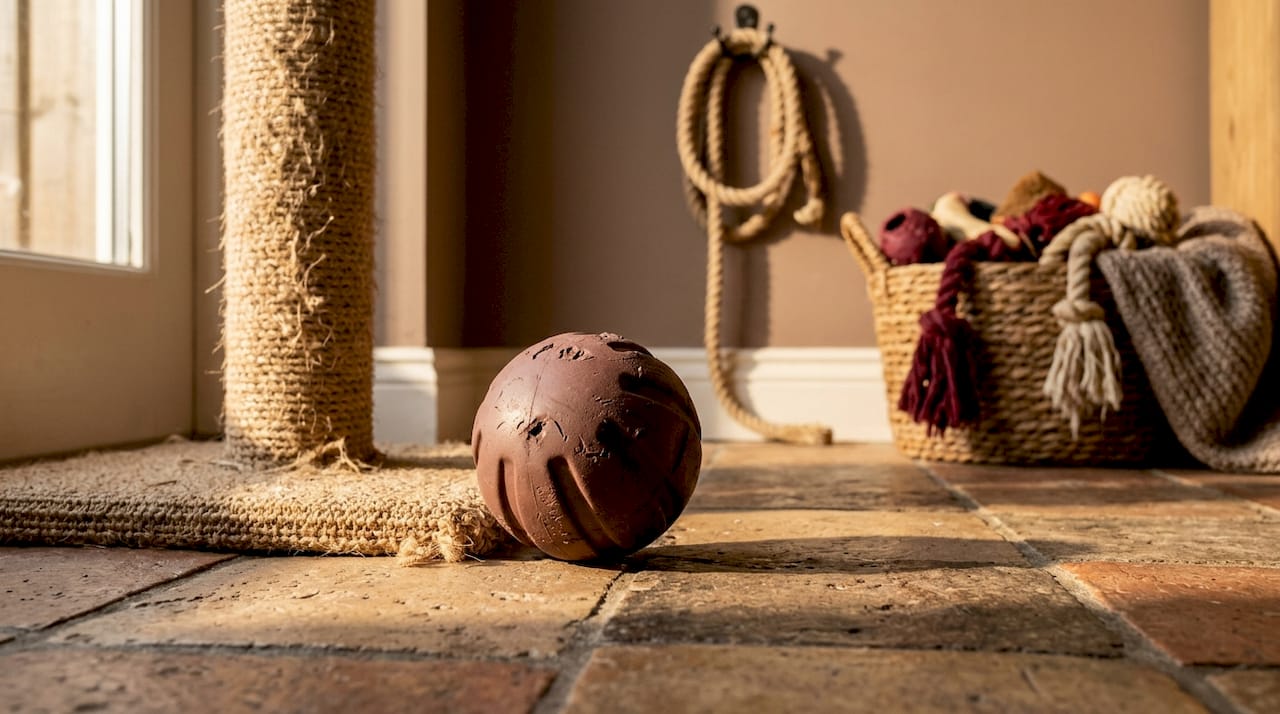
The Goughnuts Chew Stick is one of the most cited examples in this category. It is 9.25 inches long, recommended for dogs between 30 and 70 pounds, floats in water, and is made in the USA. What separates it from generic rubber toys is the red internal safety core. When your dog chews through the outer layer and exposes that red core, Goughnuts replaces the toy under their lifetime guarantee. That is a measurable safety system built directly into the product design.
Key features to look for in natural rubber toys:
- Tensile strength: High-grade natural rubber stretches without tearing, making it ideal for power chewers
- Non-toxic certification: Confirm the rubber is free from BPA and phthalates
- Safety indicator: Goughnuts-style color cores signal when a toy has reached end of life
- Buoyancy: Floating rubber toys extend play to water environments
- Size match: Rubber toys should be large enough that your dog cannot fit the whole toy in their mouth
Pro Tip: Freeze a rubber Kong stuffed with peanut butter or wet food. The cold slows your dog down and extends the chewing session, reducing the rate of wear on the toy itself.
2. Hard nylon dog toys for strong-jawed dogs
Hard nylon occupies a different performance category than rubber. Where rubber absorbs and flexes, nylon resists through sheer hardness. Hard nylon toys resist scraping and crushing forces and carry a lower splintering risk than wood-based alternatives like rawhide or real bones. For dogs with strong jaws who grind rather than shake their toys, nylon is often the longer-lasting choice.
The Country Living Nylon Chew Bone from Americanbarkbliss is a practical example. It comes in a chicken-flavored nylon bone format that keeps dogs engaged through scent and taste while the nylon structure holds up to sustained chewing. The textured surface also scrapes plaque from teeth as your dog chews, which adds a functional dental benefit most owners do not expect from a toy.
What makes hard nylon toys worth considering:
- Crush resistance: Nylon withstands compressive bite forces that would crack rubber or destroy plush
- Dental benefit: Ridged and textured nylon surfaces reduce tartar buildup during play
- Flavor infusion: Many nylon toys are scented or flavored to maintain interest over time
- Longevity: A quality nylon chew bone typically outlasts plush toys by weeks or months
- Replacement guarantees: Several brands offer free replacement if the toy breaks under normal chewing
The main limitation of hard nylon is that it is not appropriate for every dog. Puppies, senior dogs, and dogs with dental issues should avoid extremely hard toys. The general rule from the AKC is that if you cannot dent the toy with your thumbnail, it may be too hard for your dog’s teeth.
3. Reinforced fabric and plush toys for extended play
Traditional plush toys last about 20 minutes with a determined chewer. The stuffing comes out, the squeaker gets swallowed, and you are left with a pile of fabric. Reinforced plush toys solve this through engineering rather than just thicker fabric.
Kevlar stitching, multi-layered cores, and tear-resistant synthetic fabrics are the three main upgrades that separate long-lasting plush from standard stuffed animals. Tearribles, for example, use a modular design where limbs attach with strong loops rather than stitching, so your dog can pull them apart without destroying the core body. The GoDog Dragon series uses Chew Guard Technology, a tightly woven inner liner that resists puncture from the inside out.
Here is how reinforced plush toys rank by durability feature:
- Kevlar-reinforced seams provide the highest tear resistance at stress points like limbs and ears
- Triple-stitched edges add redundancy so a single thread failure does not unravel the whole toy
- Multi-layer cores prevent dogs from reaching stuffing even after the outer fabric is compromised
- Squeaker housing built inside a protective sleeve reduces the risk of squeaker ingestion
- Tear-resistant outer fabric made from ballistic nylon or ripstop material slows surface damage
Pro Tip: Rotate reinforced plush toys every few days instead of leaving one out permanently. Novelty keeps your dog more engaged and reduces the obsessive destruction that comes from boredom with a familiar toy.
4. Comparing durable dog toy types by material and use
Choosing between rubber, nylon, and fabric comes down to your dog’s chewing style, jaw strength, and what kind of play they prefer. This table summarizes the key differences.
| Material | Durability level | Best for | Key benefit | Watch out for |
|---|---|---|---|---|
| Natural rubber | Very high | Power chewers, water play | Flex-absorbs bite force, safety cores | Size must match dog weight |
| Hard nylon | Extremely high | Strong-jawed grinders | Dental cleaning, crush resistance | Too hard for puppies or senior dogs |
| Reinforced fabric | Moderate to high | Dogs who prefer soft toys | Satisfies carry and shake instincts | Still requires supervision |
| TPR (thermoplastic rubber) | High | Interactive and fetch play | Combines rubber flex with added grip | Less proven than natural rubber |
| Rope | Moderate | Tug play, light chewers | Flossing effect on teeth | Rope fibers can be ingested |
The TPR-coated agility tennis ball from Americanbarkbliss is a good example of the TPR category. Standard tennis balls shred quickly and the felt coating is not safe for heavy chewers. A TPR-coated version solves both problems by replacing the felt with a rubber compound that holds up to repeated biting and fetching.
5. How to select durable dog toys by chewing style and size
Matching a toy to your dog’s chewing personality is the most practical step in how to select durable dog toys that actually last. The AKC recommends matching toy size and strength to the dog’s breed and chewing intensity, noting that large and giant breeds need proportionally larger and stronger toys to stay safe.
Three chewing profiles cover most dogs:
- The nibbler: Light chewers who mouth and carry toys rather than destroy them. Reinforced plush or medium-durability rubber works well. The BetterBone medium chew toy is a strong fit here, made from natural ingredients and sized for everyday chewing.
- The power chewer: Dogs who chew with sustained force and can destroy a standard toy in under an hour. Hard nylon or thick natural rubber is the correct category. The BetterBone hard chew toy is built specifically for this profile, using eco-friendly materials that hold up to aggressive chewing.
- The destroyer: Dogs who shred, gut, and dismantle toys as a primary goal. These dogs need toys with no removable parts, no stuffing, and ideally a safety indicator system like the Goughnuts core.
Size is non-negotiable. American Humane states that toys must be large enough to prevent swallowing and free from parts that can break off and become choking hazards. A toy that fits entirely in your dog’s mouth is the wrong size, regardless of how durable the material is.
Inspect every toy weekly. Remove any toy that shows deep gouges, exposed stuffing, or cracked nylon. Veterinary and animal welfare experts are consistent on this point: regular inspection and immediate removal of damaged toys prevents the majority of toy-related injuries.
Key takeaways
The most durable dog toys combine proven materials like natural rubber or hard nylon with size-appropriate design and built-in safety features that protect dogs when wear eventually occurs.
| Point | Details |
|---|---|
| Material drives durability | Natural rubber and hard nylon outlast plush and rope for power chewers. |
| Safety features matter | Look for color-coded safety cores, replacement guarantees, and non-toxic certifications. |
| Match toy to chewing profile | Nibblers, power chewers, and destroyers each need a different material and design. |
| Size is a safety issue | A toy your dog can fit entirely in their mouth is a choking hazard regardless of material. |
| Inspect and replace regularly | Even the toughest toys require weekly checks and prompt removal when damaged. |
Why “indestructible” is the wrong thing to shop for
I have spent years reviewing pet products, and the single most misleading word in the dog toy market is “indestructible.” No dog toy is truly indestructible. Every material has a failure point, and the dogs most likely to find it are exactly the ones whose owners bought the toy believing it was foolproof.
What I have found actually works is shopping for durability with accountability. The Goughnuts replacement policy is the best example of this in the market. The company is not claiming the toy will never wear out. They are saying: when it does, we will replace it. That is a brand telling you they have tested their product against real dogs and they stand behind the result. That kind of transparency is worth more than any “indestructible” label.
The other thing most articles skip is the relationship between material science and behavior. Material engineering combined with canine behavior research produces toys that satisfy dogs’ instinctual chewing needs, not just resist them. A toy that lasts because your dog finds it genuinely satisfying to chew is a better investment than one that lasts because your dog lost interest. Rubber toys with the right resistance level, nylon toys with flavor infusion, and plush toys with the right texture all work because they engage the dog, not just endure the dog.
My honest recommendation: buy one high-quality rubber toy, one hard nylon option, and one reinforced plush. Rotate them. Inspect them weekly. Replace them when they show real wear. That system beats buying a dozen cheap toys every month.
— Christopher
Find durable dog toys at Americanbarkbliss
Americanbarkbliss carries a curated selection of heavy-duty dog toys made with quality materials and built for dogs who take their chewing seriously. Every product on the site is chosen with safety, durability, and American craftsmanship in mind.
From the Purr Padd’r to flavored nylon bones and TPR interactive toys, the Americanbarkbliss toy range covers every chewing profile from the casual nibbler to the full-on destroyer. You can also find tug toys designed for interactive play that holds up to repeated sessions. Browse the full selection at Americanbarkbliss and find the right match for your dog’s size, strength, and play style.
FAQ
What materials make dog toys most durable?
Natural rubber and hard nylon are the two most durable materials for dog toys. Natural rubber flexes under bite pressure to resist punctures, while hard nylon resists crushing and scraping forces from strong-jawed dogs.
Are durable dog toys worth the higher price?
Yes. A single quality rubber or nylon toy from a brand like Goughnuts or BetterBone typically outlasts a dozen cheap toys and carries less risk of producing dangerous fragments. The replacement guarantees many brands offer add further long-term value.
How do I know if a toy is too hard for my dog?
Use the thumbnail test recommended by the AKC: press your thumbnail firmly into the toy. If you cannot make a dent, the toy is likely too hard and risks cracking your dog’s teeth. This applies especially to puppies and senior dogs.
How often should I replace durable dog toys?
Inspect toys weekly and replace any toy that shows deep gouges, exposed inner cores, cracked nylon, or loose parts. American Humane advises removing damaged toys immediately to prevent choking and injury, regardless of how recently you purchased them.
What is the best durable toy for an aggressive chewer?
For dogs who destroy standard toys within minutes, hard nylon chew bones or thick natural rubber toys with safety indicator cores are the strongest options. Goughnuts and BetterBone hard chew toys are both built specifically for this chewing profile.
Leave a comment